Blog

  • Complete Tree Care Planning: Effective Methods for Maintaining Healthy and Attractive Landscapes

    Complete Tree Care Planning: Effective Methods for Maintaining Healthy and Attractive Landscapes

    Trees are an important investment in environmental sustainability and landscape development. They provide natural shade, improve air quality, absorb carbon dioxide, and support a wide range of wildlife. They also make residential gardens, commercial properties, and public spaces more attractive and comfortable. However, trees require appropriate maintenance to remain healthy throughout their lives. Understanding their growing requirements, identifying potential problems, and following suitable preservation techniques can help property owners maintain beautiful landscapes and protect valuable greenery.

    1. Understanding the Importance of Tree Maintenance Planning

    Tree maintenance planning involves organising regular activities that support healthy growth and prevent avoidable damage.

    A suitable plan considers tree species, age, location, soil conditions, and seasonal weather patterns.

    Young trees may require frequent moisture monitoring, while mature trees generally benefit from periodic inspections and selective maintenance.

    Planning ahead helps property owners identify maintenance priorities and manage expenses more effectively.

    2. Selecting Trees for Different Property Types

    Every property has different landscaping requirements. Residential gardens, commercial buildings, educational institutions, and public parks may need different types of trees.

    Small ornamental trees can be suitable for compact gardens, while larger shade trees may be appropriate for spacious properties.

    Before planting, evaluate available space, sunlight, drainage, and the mature dimensions of the selected species.

    Choosing appropriate trees reduces future conflicts with buildings, pathways, and underground infrastructure.

    3. Improving Tree Health Through Proper Soil Preparation

    Soil preparation is an important step in successful tree planting.

    Healthy soil should provide suitable drainage, oxygen availability, and access to essential nutrients.

    Before planting, examine the soil texture and determine whether compaction or drainage problems exist.

    Suitable organic amendments may improve soil structure, but treatments should be selected according to actual soil conditions.

    Avoid placing excessive soil over the root flare because this can create problems around the trunk base.

    4. Maintaining Trees in Areas Exposed to Strong Winds

    Trees growing in exposed locations may experience additional pressure from strong winds.

    Their stability depends on species characteristics, root development, soil conditions, and overall structural health.

    When selecting trees for exposed locations, consider species that are suitable for local wind conditions.

    Regular inspections can help identify damaged branches and other structural concerns.

    Professional arborists can recommend appropriate maintenance without unnecessarily removing healthy foliage.

    5. Understanding the Importance of Proper Tree Spacing

    Proper spacing allows trees to develop without excessive competition for sunlight, moisture, and nutrients.

    Crowded planting arrangements may restrict canopy development and increase maintenance requirements.

    When planning a new landscape, consider the mature canopy width and root characteristics of every species.

    Appropriate spacing also improves air circulation and creates a more balanced outdoor environment.

    6. Protecting Trees from Damage Caused by Animals

    Animals can sometimes damage young trees by chewing bark, disturbing roots, or feeding on foliage.

    Physical protection may be appropriate where animal activity is a recurring problem.

    Tree guards and suitable barriers should be installed carefully so they do not restrict trunk development or trap excessive moisture.

    Property owners should regularly inspect protective materials and adjust them as trees grow.

    7. Improving Landscape Appearance Through Tree Arrangement

    Well-planned tree arrangements can transform the appearance of outdoor spaces.

    Shade trees can create comfortable seating areas, while flowering species add colour and seasonal interest.

    Trees can also provide natural screening and improve privacy when planted in appropriate locations.

    A balanced landscape design should consider visual appearance, maintenance requirements, mature tree size, and environmental benefits.

    8. Managing Tree Waste Responsibly

    Tree maintenance can produce branches, leaves, and other organic materials.

    Responsible waste management helps keep outdoor spaces clean while reducing unnecessary disposal.

    Suitable leaves and untreated wood materials can sometimes be reused as mulch or compost after appropriate preparation.

    However, material affected by serious pests or diseases should be handled according to professional recommendations to avoid spreading harmful organisms.

    9. Understanding the Importance of Tree Replacement Planning

    Some trees eventually decline because of age, disease, severe structural damage, or unsuitable growing conditions.

    When a tree must be removed, replacement planning can help maintain the environmental value of the landscape.

    Select a suitable species based on available space, local climate, soil conditions, and long-term maintenance requirements.

    Whenever practical, preserve healthy mature trees because replacement trees require many years to develop comparable canopy benefits.

    10. Building a Long-Term Tree Care Programme

    A successful tree care programme should combine routine observation with professional maintenance.

    Property owners should monitor foliage, inspect visible branches, maintain appropriate soil moisture, protect roots, and arrange specialist assessments when required.

    Keeping maintenance records helps identify recurring issues and track changes in tree condition.

    A consistent approach supports better decision-making and improves the long-term management of outdoor spaces.

    Conclusion

    Effective tree care planning is essential for maintaining healthy landscapes and protecting valuable natural resources. Proper soil preparation, suitable species selection, appropriate spacing, responsible waste management, and regular inspections all contribute to successful tree development. Property owners should adapt maintenance activities to individual tree requirements and local environmental conditions. With careful planning and professional arboricultural support, trees can remain valuable features of residential and commercial properties while contributing to environmental sustainability and greener communities.

    v
  • Advanced Tree Maintenance and Environmental Care: Effective Ways to Preserve Healthy Landscapes

    Advanced Tree Maintenance and Environmental Care: Effective Ways to Preserve Healthy Landscapes

    Trees are essential for maintaining environmental balance and creating attractive outdoor environments. They provide shade, absorb carbon dioxide, support wildlife, and help reduce the effects of urban heat. Healthy trees also increase the visual appeal of residential gardens, business premises, and public spaces. However, environmental changes, unsuitable soil conditions, pests, and improper maintenance can affect their development. Understanding effective tree maintenance practices helps property owners protect their greenery and maintain sustainable landscapes throughout the year.

    1. Understanding the Importance of Tree Growth Management

    Tree growth management involves maintaining suitable conditions for healthy development. Every tree has different requirements depending on its species, age, and environment.

    Young trees need protection while establishing their root systems, whereas mature trees require periodic inspections and appropriate structural maintenance.

    Monitoring growth patterns helps property owners identify unusual changes and make informed decisions about watering, pruning, and soil improvement.

    2. Selecting Appropriate Trees for Urban Landscaping

    Urban environments present several challenges, including limited soil space, pollution, high temperatures, and restricted water availability.

    Selecting trees that tolerate local conditions can improve their chances of successful establishment.

    When planning urban planting, consider mature canopy dimensions, root development, sunlight requirements, and proximity to buildings.

    A combination of suitable shade trees and ornamental species can create attractive landscapes while improving environmental conditions.

    3. Improving Tree Health Through Proper Soil Moisture

    Soil moisture plays an important role in root development and nutrient absorption.

    Insufficient moisture can cause stress, while excessive water may reduce oxygen availability and contribute to root deterioration.

    Property owners should monitor soil conditions rather than relying on a fixed watering schedule.

    Organic mulch, suitable irrigation systems, and improved drainage can help maintain a balanced growing environment.

    4. Maintaining Trees Without Damaging Their Natural Structure

    Tree maintenance should preserve natural growth patterns whenever possible.

    Unnecessary cutting, excessive crown reduction, and improper pruning techniques can weaken branches and create long-term problems.

    Selective pruning should focus on removing dead, damaged, or diseased branches and addressing specific clearance requirements.

    Professional arborists can determine the most appropriate approach for individual trees.

    5. Protecting Trees from Invasive Pests

    Invasive insects and other harmful organisms can affect tree health and damage surrounding vegetation.

    Regular inspections help identify unusual insect activity, leaf damage, and changes in bark condition.

    Integrated pest management combines preventive practices, biological controls, accurate identification, and targeted treatments when necessary.

    Early intervention can help prevent certain pest problems from becoming widespread.

    6. Understanding the Relationship Between Trees and Biodiversity

    Trees support biodiversity by providing shelter, food, and breeding habitats for wildlife.

    Different tree species attract different birds, insects, and other organisms. Planting a diverse selection of locally appropriate species can improve the ecological value of outdoor spaces.

    Flowering trees, fruit-bearing species, and native plants can contribute to a more balanced landscape.

    Avoiding unnecessary pesticide use also helps protect beneficial wildlife.

    7. Managing Trees Near Roads and Walkways

    Trees planted near roads and pathways require careful planning and maintenance.

    Branches may interfere with pedestrian movement, while unsuitable root growth conditions can affect nearby paved surfaces.

    Selecting appropriate species and providing adequate soil space can reduce future conflicts.

    Regular professional inspections can identify clearance issues and potential structural concerns before they become serious.

    8. Preparing Trees for Extreme Weather Events

    Extreme weather can create additional challenges for trees.

    Strong winds may break branches, heavy rainfall can cause waterlogging, and prolonged heat can increase moisture stress.

    Before severe weather seasons, inspect trees for visible structural defects and maintain suitable drainage around planting areas.

    Following major storms, damaged or unstable trees should be evaluated by qualified professionals.

    9. Understanding the Value of Professional Arboricultural Advice

    Professional arborists provide specialist knowledge about tree biology, maintenance, and preservation.

    Their expertise can help property owners understand tree condition and select appropriate management methods.

    Professional services may include health inspections, pruning recommendations, pest identification, structural assessments, and tree preservation planning.

    Working with qualified specialists can prevent unnecessary damage and improve long-term maintenance results.

    10. Developing an Environmentally Responsible Maintenance Routine

    A reliable tree maintenance programme should focus on preventive care.

    Important activities include:

    • Inspecting foliage and branches regularly.
    • Monitoring soil moisture and drainage.
    • Protecting roots from construction damage.
    • Applying suitable organic mulch.
    • Identifying unusual pest activity.
    • Arranging professional assessments when required.
    • Recording important maintenance activities.

    These steps help property owners maintain healthier trees while reducing avoidable environmental impacts.

    Conclusion

    Advanced tree maintenance requires a combination of responsible planning, environmental awareness, and professional knowledge. Managing soil moisture, selecting suitable species, protecting biodiversity, maintaining natural tree structures, and preparing for extreme weather are all important aspects of successful tree care. Regular inspections can help identify potential problems and support better maintenance decisions. By investing in sustainable arboricultural practices, homeowners and businesses can protect valuable trees, enhance landscape quality, and contribute to healthier communities for generations to come.

  • Smart Tree Care and Protection Methods for a Healthier Natural Ecosystem

    Trees are a priceless part of nature and play a major role in maintaining environmental balance. They provide oxygen, absorb carbon dioxide, reduce pollution, and create habitats for numerous living organisms. They also improve soil quality, provide natural shade, and make outdoor environments more attractive. However, trees face several challenges, including changing weather, poor soil conditions, pests, diseases, and human activities. Proper tree care helps protect them from these problems and encourages healthy growth. With consistent maintenance and environmentally friendly practices, we can preserve trees and their benefits for future generations.

    1. Understand the Importance of Tree Health Monitoring

    Monitoring tree health is one of the most effective ways to prevent serious problems. Regularly examine the trunk, branches, leaves, and surrounding soil. Look for unusual changes such as peeling bark, leaf discoloration, dead branches, and fungal growth. Identifying these signs early makes it easier to determine whether a tree needs additional care or professional assessment.

    2. Provide Appropriate Sunlight

    Sunlight is necessary for photosynthesis, the process through which trees produce energy for growth. Different tree species have different sunlight requirements. Some grow best in open spaces, while others tolerate partial shade. When planting new trees, consider the direction of sunlight and the presence of nearby buildings or larger plants. Appropriate positioning helps support healthy foliage and branch development.

    3. Maintain a Healthy Root Zone

    The root zone is one of the most important parts of a tree’s growing environment. Roots absorb water and nutrients while providing stability. Protect this area from soil compaction, excavation, and unnecessary disturbance. Organic mulch can help maintain soil moisture and regulate temperature. Avoid piling mulch against the trunk because excessive moisture can encourage bark deterioration.

    4. Use Sustainable Irrigation Practices

    Efficient irrigation helps maintain healthy trees while reducing unnecessary water consumption. Drip irrigation and slow watering methods are useful for delivering moisture near the root system. During dry periods, monitor soil conditions and water when needed. Rainwater collection can provide an additional source of irrigation water for residential gardens and larger landscapes.

    5. Maintain Healthy Branches and Tree Shape

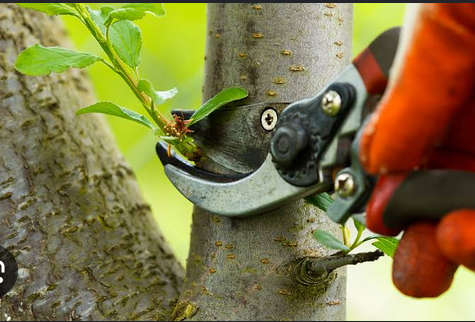
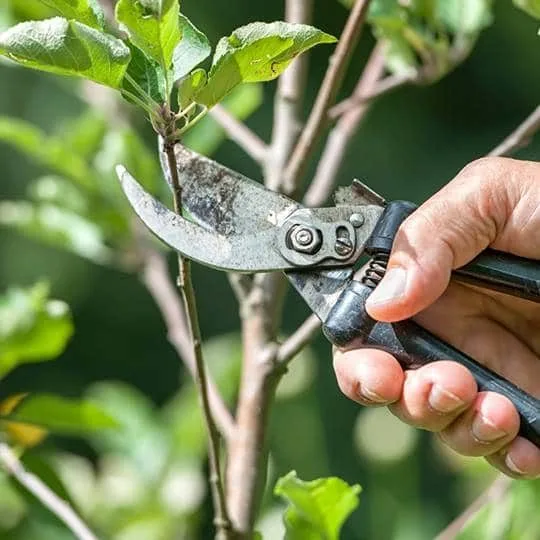
    Tree branches should be inspected regularly for damage, decay, and weak connections. Appropriate pruning helps maintain a balanced structure and removes branches that may create hazards. Use proper cutting techniques and avoid unnecessary removal of healthy growth. For mature trees, professional pruning is recommended to protect their structure and prevent accidents.

    6. Protect Trees from Insect Infestations

    Certain insects can damage tree leaves, bark, roots, and flowers. Regular inspections help identify pest activity before it causes significant damage. Encourage natural predators and use integrated pest management methods to control harmful insects. If an infestation becomes severe, seek advice from a qualified tree-care professional before applying treatments.

    7. Maintain Trees in Urban Environments

    Urban trees face additional challenges because of limited growing space, pollution, construction, and compacted soil. Selecting suitable species and providing enough room for root development can improve their survival. Protect trees during roadwork and building projects, and ensure that drainage systems do not negatively affect their root environment.

    8. Practice Proper Seasonal Tree Maintenance

    Every season brings different maintenance requirements. During hot weather, monitor soil moisture and protect young trees from excessive heat. During rainy seasons, check drainage and inspect foliage for disease symptoms. Before periods of strong winds, assess trees for weak or damaged branches. Seasonal attention helps maintain healthy growth throughout the year.

    9. Encourage Tree Conservation in Local Communities

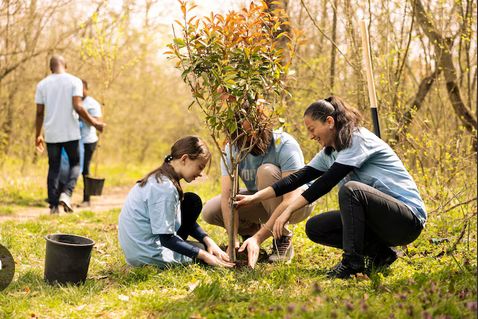
    Communities can play an important role in protecting trees. Residents can maintain neighborhood green spaces, schools can arrange environmental education programs, and businesses can support sustainable landscaping. Planting appropriate native trees and protecting mature specimens helps improve local environmental conditions.

    Conclusion

    Smart tree care combines regular monitoring, proper irrigation, healthy soil management, responsible pruning, and sustainable pest control. These practices help trees grow stronger, remain attractive, and withstand environmental challenges. By making tree protection a shared responsibility, we can preserve biodiversity, improve air quality, and create healthier communities. Caring for trees today is an investment in a greener and more sustainable future.v

  • Smart Gardening and Tree Care: Creating a Healthy Natural Landscape

    Smart Gardening and Tree Care: Creating a Healthy Natural Landscape

    Trees bring life, beauty, and environmental balance to our surroundings. They provide shade, improve air quality, reduce heat, and support birds, insects, and other wildlife. They also increase the attractiveness of residential gardens and public spaces. However, maintaining healthy trees requires thoughtful gardening practices and regular attention. A well-maintained landscape allows trees to grow naturally while protecting the surrounding soil and ecosystem.

    1. Plan Your Garden Before Planting

    Good tree care begins with proper garden planning. Examine the available space, sunlight, soil type, and drainage before selecting trees. Consider the mature size of each species to prevent overcrowding. Trees with suitable growth habits are easier to maintain and less likely to interfere with buildings, pathways, and underground utilities.

    2. Encourage Healthy Soil Organisms

    Healthy soil contains microorganisms that support nutrient cycling and root development. Earthworms, beneficial fungi, and bacteria help maintain natural soil processes. Adding organic compost and avoiding unnecessary chemical applications can support these organisms. Protecting soil life creates better conditions for long-term tree growth.

    3. Maintain a Balanced Watering System

    Different trees have different water requirements. Newly planted trees generally need more frequent monitoring, while mature trees may depend partly on natural rainfall. Check the soil before irrigation and provide water when the root zone becomes dry. Use slow watering methods to reduce runoff and improve moisture absorption.

    4. Protect Trees from Harmful Garden Chemicals

    Some gardening products can damage trees when used incorrectly. Excessive fertilizers, herbicides, and pesticides may affect roots, leaves, and beneficial soil organisms. Always identify the problem before selecting a treatment. Follow product instructions and consider environmentally friendly alternatives whenever practical.

    5. Maintain Healthy Tree Trunks

    A healthy trunk is important for transporting water and nutrients between roots and branches. Avoid attaching heavy objects, nails, or wires directly to the bark. Keep lawn equipment away from the base and prevent animals from repeatedly damaging young trunks. Any serious trunk injury should be examined by a professional.

    6. Improve Garden Airflow and Sunlight

    Trees need suitable sunlight and air circulation to support healthy development. Overcrowded planting can reduce light availability and create excessive moisture around foliage. Arrange plants according to their mature size and growth habits. Appropriate pruning can improve canopy structure without removing too much healthy growth.

    7. Reuse Natural Garden Resources

    Sustainable gardening reduces waste and improves soil quality. Healthy fallen leaves can be converted into leaf compost, while suitable organic materials can be used as mulch. Rainwater collection can also support garden irrigation. Reusing natural resources helps conserve water and reduces dependence on artificial gardening products.

    8. Make Tree Care a Regular Habit

    Trees benefit from consistent attention throughout the year. Develop a routine for checking leaf health, inspecting branches, monitoring soil moisture, and maintaining the surrounding garden. Record unusual changes and arrange professional inspections when necessary. Regular care helps identify problems before they become difficult to manage.

    Conclusion

    Smart gardening and proper tree care work together to create a healthier natural landscape. Planning suitable planting locations, maintaining living soil, managing water, and preventing physical damage all contribute to strong tree development. Sustainable gardening practices also protect wildlife and conserve natural resources. With regular attention and responsible maintenance, everyone can help create beautiful green spaces and a healthier environment for generations to come.

  • Professional Tree Care and Landscape Management for a Greener Tomorrow

    Professional Tree Care and Landscape Management for a Greener Tomorrow

    Trees are essential for maintaining a healthy environment and creating beautiful landscapes. They provide fresh oxygen, reduce air pollution, absorb carbon dioxide, and offer shelter to wildlife. Trees also protect the soil, improve water conservation, and create cooler outdoor spaces during hot weather. However, maintaining healthy trees requires proper knowledge, regular inspections, and suitable maintenance techniques. A professional approach to tree care helps prevent damage, encourages healthy development, and protects valuable natural resources.

    1. Create a Suitable Planting Strategy

    Successful tree maintenance begins with careful planning. Before planting, consider the available space, soil conditions, sunlight, drainage, and local climate. Choose tree species that can grow comfortably in the selected environment. Consider their mature height and root spread to prevent future conflicts with buildings, sidewalks, and underground utilities. Proper planning reduces maintenance difficulties and improves long-term survival.

    2. Maintain Strong and Healthy Tree Trunks

    The trunk provides structural support and transports water and nutrients throughout the tree. Physical injuries, cracks, and damaged bark can interfere with these functions. Protect trunks from lawn equipment, construction activities, and accidental impacts. Avoid attaching unnecessary objects or materials to tree bark. Regular inspections can help identify signs of decay or structural weakness.

    3. Use Proper Techniques for Root Protection

    A healthy root system is essential for tree stability and nutrient absorption. Tree roots need sufficient space, oxygen, and moisture to develop naturally. Avoid unnecessary digging near established trees and prevent heavy vehicles from compacting the surrounding soil. Organic mulch can improve moisture retention and protect surface roots from temperature changes. When root damage is suspected, consult a qualified arborist.

    4. Improve Tree Growth Through Seasonal Care

    Seasonal maintenance helps trees adapt to changing environmental conditions. During summer, monitor soil moisture and provide additional water when necessary. During rainy seasons, inspect drainage systems and check for excessive soil moisture. Before strong winds, assess trees for weak or damaged branches. Adjusting maintenance activities according to seasonal requirements supports consistent growth.

    5. Control Weeds Around Tree Bases

    Weeds compete with young trees for water, nutrients, and growing space. Removing unwanted vegetation around the root zone can reduce this competition. Organic mulch is a useful option for suppressing weeds while maintaining soil moisture. Avoid using aggressive weed-control chemicals near tree roots because they may cause unintended damage.

    6. Encourage Natural Pest Control

    A healthy garden ecosystem can help manage harmful insects naturally. Beneficial insects, birds, and other organisms contribute to controlling certain pest populations. Regular inspections help identify infestations before they become severe. When treatment is necessary, choose appropriate targeted methods that minimize harm to beneficial species and the surrounding environment.

    7. Maintain Safe and Attractive Landscapes

    Trees should be maintained in a way that supports both their health and public safety. Remove hazardous dead branches when necessary, maintain suitable clearance around walkways, and monitor trees near buildings. Avoid excessive pruning or unnecessary removal. Large trees with structural concerns should be inspected by experienced professionals.

    8. Support Tree Conservation Programs

    Tree conservation is a shared responsibility. Individuals can protect trees in their gardens, while schools, businesses, and community organizations can participate in environmental projects. Planting native species, maintaining public green spaces, and educating people about tree preservation can create lasting environmental benefits.

    Conclusion

    Professional tree care involves planning, regular maintenance, and responsible environmental management. Protecting trunks and roots, improving soil conditions, managing pests, and following seasonal maintenance practices all contribute to healthy tree development. With consistent attention and sustainable care techniques, trees can remain strong and beautiful for many years. Protecting trees is an investment in cleaner air, healthier communities, and a greener future for everyone.

  • Professional Tree Preservation and Landscape Development: A Complete Approach to Healthy Outdoor Environments

    Trees are essential for creating beautiful, sustainable, and environmentally friendly surroundings. They provide shade, improve air quality, reduce soil erosion, and support different forms of wildlife. In residential gardens, commercial properties, educational institutions, and public parks, healthy trees contribute to a more comfortable and attractive environment. However, maintaining trees requires consistent attention, proper planning, and suitable maintenance techniques. Understanding how to protect trees from environmental stress and encourage healthy development can help property owners maintain greener landscapes for generations.

    1. Understanding the Value of Mature Trees

    Mature trees provide environmental benefits that take many years to develop. Their established canopies create extensive shade, while their roots help stabilise soil and absorb water.

    They also provide habitats for birds, insects, and other wildlife. Preserving existing mature trees is often more beneficial than removing them and planting replacements.

    Property owners should consider the long-term value of established trees before making landscaping or construction changes.

    2. Choosing the Right Planting Season

    Planting at an appropriate time can improve the chances of successful tree establishment.

    The ideal planting season depends on the tree species, local climate, and availability of water. In many regions, planting during cooler periods reduces heat-related stress.

    In Karachi and other warm areas, planting schedules should consider summer temperatures and seasonal rainfall. Newly planted trees should receive appropriate irrigation and monitoring during establishment.

    3. Understanding Tree Transpiration

    Transpiration is the natural process through which trees release water vapour from their leaves.

    This process helps regulate internal temperature and supports the movement of water and nutrients throughout the tree.

    Hot temperatures, dry winds, and low humidity can increase moisture loss. When water availability becomes insufficient, trees may experience stress.

    Maintaining suitable soil moisture and protecting root systems helps support normal water movement within trees.

    4. Maintaining Trees Around Buildings

    Trees planted near buildings provide shade and improve the appearance of outdoor spaces. However, unsuitable planting locations can create future maintenance challenges.

    Branches may interfere with roofs, windows, and electrical infrastructure, while roots may encounter restricted soil conditions.

    Choosing appropriate species and allowing sufficient growing space can reduce these concerns.

    Existing trees should be assessed before major pruning or root-related work is undertaken.

    5. Improving Tree Health Through Natural Ground Cover

    Ground cover plants can contribute to healthier landscape conditions when selected carefully.

    Suitable low-growing plants may help reduce soil erosion, improve visual appearance, and support biodiversity.

    However, ground cover should not compete excessively with young trees for moisture and nutrients.

    Maintaining suitable spacing and monitoring soil conditions helps create a balanced planting arrangement.

    6. Recognising Signs of Nutrient Deficiency

    Nutrient deficiencies can affect foliage colour, leaf development, and overall tree growth.

    For example, nitrogen deficiency may cause general leaf yellowing, while certain micronutrient deficiencies can produce more specific patterns of discolouration.

    However, similar symptoms can also result from poor drainage, root damage, or diseases.

    Soil testing and professional diagnosis are useful before applying fertilisers or other treatments.

    7. Managing Trees in Areas with Heavy Foot Traffic

    Trees growing near footpaths, playgrounds, and public gathering areas may experience soil compaction and physical damage.

    Frequent pedestrian movement can reduce soil aeration and affect root development.

    Protective planting areas, suitable ground surfaces, and carefully planned pathways can help reduce these problems.

    Regular inspections also help identify damaged branches and other maintenance concerns.

    8. Understanding Tree Risk and Public Safety

    Tree safety is an important part of responsible property management.

    Some trees may develop defects that require professional investigation, particularly when they are located near roads, buildings, or busy public spaces.

    Warning signs can include significant trunk cracks, major dead branches, root plate movement, and sudden changes in tree position.

    These signs do not automatically mean that removal is necessary. Qualified arborists can assess the condition and recommend suitable management measures.

    9. Promoting Tree Care Awareness Through Education

    Environmental education can encourage individuals to understand the importance of maintaining and protecting trees.

    Schools, community groups, and businesses can organise tree-planting activities, gardening workshops, and awareness campaigns.

    Teaching people about correct planting depth, irrigation, root protection, and responsible pruning can improve the success of community landscaping projects.

    10. Building a Sustainable Tree Care Future

    Sustainable tree management focuses on preserving existing greenery while encouraging appropriate new planting.

    Important practices include selecting climate-adapted species, conserving water, protecting soil, managing pests responsibly, and arranging regular inspections.

    Communities can also support urban forestry initiatives that increase shade and improve environmental conditions.

    Long-term planning ensures that planting activities are supported by appropriate maintenance.

    Conclusion

    Professional tree preservation requires a combination of environmental knowledge, proper planning, and responsible maintenance. Understanding transpiration, protecting mature trees, selecting appropriate planting seasons, maintaining healthy soil, and identifying potential structural problems all contribute to successful tree management. In warm climates, irrigation planning and heat-resistant species selection are especially important. By encouraging sustainable landscaping and professional arboricultural practices, property owners and communities can protect valuable trees, improve outdoor environments, and create greener spaces for future generations.

  • Professional Tree Care Techniques: Maintaining Healthy Trees in Changing Environmental Conditions

    Professional Tree Care Techniques: Maintaining Healthy Trees in Changing Environmental Conditions

    Trees are essential for creating healthy, attractive, and sustainable environments. They provide shade, improve air quality, reduce soil erosion, and support biodiversity. In residential gardens, commercial properties, public parks, and urban streets, healthy trees contribute to better living conditions and environmental protection. However, trees face several challenges, including changing weather patterns, soil degradation, pests, diseases, and limited growing space. Proper tree care helps overcome these challenges and supports long-term tree health.

    1. Understanding the Importance of Tree Health Assessments

    Tree health assessments help identify potential problems before they become serious. Regular monitoring allows property owners to understand the condition of their trees and determine whether maintenance is necessary.

    An assessment generally examines foliage, bark, branches, trunk structure, root conditions, and the surrounding environment.

    Changes such as unusual leaf loss, cracks, fungal growth, or declining branch development may indicate underlying problems. Qualified arborists can investigate these symptoms and recommend suitable solutions.

    2. Choosing Trees Suitable for Local Climate Conditions

    Climate plays an important role in determining whether a tree can grow successfully. Temperature, rainfall, humidity, wind exposure, and sunlight all influence tree development.

    In warmer regions, including Karachi and other parts of Pakistan, selecting heat-tolerant and locally suitable species can improve planting success.

    Neem, amaltas, and suitable native or climate-adapted species may be considered depending on available space, soil conditions, and water requirements.

    Choosing the right tree for the location can reduce maintenance difficulties and improve long-term survival.

    3. Maintaining Healthy Soil Around Trees

    Healthy soil provides the foundation for strong root development. It supplies water, oxygen, and nutrients while supporting beneficial microorganisms.

    Poor drainage, excessive compaction, and nutrient deficiencies can negatively affect tree growth.

    Property owners can improve soil conditions through suitable organic compost, appropriate mulching, and careful irrigation management.

    Soil testing is useful when trees show signs of poor development because it helps identify specific problems before treatments are selected.

    4. Protecting Trees During Extreme Summer Heat

    High summer temperatures can increase water loss and place considerable stress on trees. Young trees are especially vulnerable because their root systems may still be developing.

    Several practices can help trees cope with hot weather:

    • Monitor soil moisture regularly.
    • Water deeply when necessary.
    • Apply suitable organic mulch around the root zone.
    • Protect young trees from physical damage.
    • Avoid unnecessary disturbance around roots.
    • Select tree species adapted to local temperatures.

    Watering should be adjusted according to rainfall, soil conditions, and individual species requirements.

    5. Managing Tree Pests Through Preventive Care

    Insects can affect different parts of trees, including leaves, stems, bark, and roots. Some feed directly on plant tissues, while others can transmit diseases.

    Regular inspections help identify unusual insect activity and visible damage.

    Integrated pest management focuses on prevention, accurate identification, biological controls, and targeted treatments when necessary.

    Avoiding unnecessary pesticide applications helps protect beneficial insects and maintain a healthier surrounding environment.

    6. Maintaining Trees in Urban Areas

    Urban trees often grow under challenging conditions. Limited soil space, concrete surfaces, vehicle emissions, and construction activities can affect their development.

    Proper species selection and suitable planting arrangements are essential for successful urban landscaping.

    Trees should have sufficient room for their roots and mature canopies. Existing trees should also be protected during road improvements, building projects, and other construction activities.

    Well-maintained urban trees provide shade, improve streetscapes, and create more comfortable public spaces.

    7. The Importance of Storm Preparation

    Strong winds and heavy rainfall can cause broken branches, damaged trunks, and unstable root systems.

    Before storm seasons, property owners should arrange inspections to identify visible structural defects and dead branches.

    After severe weather, damaged trees should be assessed from a safe distance. Hanging branches, sudden leaning, and exposed roots may require immediate professional attention.

    Large branches and potentially unstable trees should never be handled without appropriate training and equipment.

    8. Supporting Tree Growth Through Sustainable Landscaping

    Sustainable landscaping combines attractive outdoor design with responsible environmental practices.

    Planting diverse tree species, protecting existing vegetation, using suitable mulch, and conserving water can improve landscape quality.

    Native plants and climate-adapted trees may also provide valuable habitats for local wildlife.

    A balanced landscape should consider the mature size of every tree rather than focusing only on its appearance when newly planted.

    9. Why Professional Tree Care Matters

    Professional arborists understand tree biology, structural development, and appropriate maintenance techniques.

    Their services may include tree inspections, pruning, disease identification, pest management recommendations, and structural risk assessments.

    Hiring qualified professionals is particularly important for mature trees, storm-damaged specimens, and trees located close to buildings or electrical infrastructure.

    10. Creating a Long-Term Tree Maintenance Schedule

    A maintenance schedule helps property owners manage their trees consistently.

    Important activities include:

    • Conducting regular visual inspections.
    • Checking soil moisture and drainage.
    • Monitoring foliage and branch development.
    • Applying mulch when appropriate.
    • Identifying pest and disease symptoms.
    • Arranging professional assessments.
    • Recording maintenance activities.

    A planned approach helps detect changes early and supports better decisions about future maintenance.

    Conclusion

    Professional tree care is essential for protecting natural resources and maintaining healthy outdoor environments. Understanding local climate conditions, improving soil quality, protecting roots, managing pests, and preparing for extreme weather can significantly improve tree health. In warmer regions such as Pakistan, selecting appropriate tree species and managing summer irrigation are particularly important. Through regular maintenance and professional arboricultural guidance, property owners can preserve valuable trees, improve landscape beauty, and contribute to greener and healthier communities.

  • Expert Tree Care Solutions for Healthy Growth and Environmental Protection

    Expert Tree Care Solutions for Healthy Growth and Environmental Protection

    Trees are valuable living resources that contribute to environmental stability and human well-being. They provide oxygen, absorb carbon dioxide, reduce air pollution, and create natural shade. They also improve soil quality, support biodiversity, and make residential and commercial landscapes more attractive. However, maintaining healthy trees requires proper planning, regular monitoring, and suitable maintenance techniques. Understanding how to care for trees can help individuals protect these natural resources and enjoy their benefits for generations.

    1. Create the Ideal Growing Environment

    The environment surrounding a tree has a direct impact on its growth and development. Trees need sufficient sunlight, suitable soil, adequate moisture, and enough space for their roots and branches. Before planting, examine the location carefully and select a species that can adapt to local weather conditions. Providing suitable growing conditions from the beginning reduces future maintenance problems.

    2. Maintain Proper Irrigation Systems

    An effective irrigation system helps trees receive the water they need without unnecessary waste. Drip irrigation is a useful option because it delivers water gradually near the root zone. Newly planted trees generally require more frequent attention than established trees. Adjust watering according to soil moisture, temperature, rainfall, and individual tree requirements. Avoid excessive watering because it can reduce oxygen availability around the roots.

    3. Apply Organic Materials to Improve Soil

    Soil quality is one of the most important factors influencing tree health. Organic compost, decomposed leaves, and suitable natural materials can improve soil structure and provide nutrients. These materials also encourage beneficial microorganisms that support healthy root development. Adding organic mulch around trees helps conserve moisture and protect the soil from extreme temperatures.

    4. Perform Preventive Tree Maintenance

    Preventive maintenance helps identify potential problems before they become serious. Regularly inspect trunks, branches, leaves, and exposed roots. Look for cracks, fungal growth, insect activity, and unusual changes in leaf color. Removing dead or damaged branches when appropriate can improve tree health and reduce safety risks. Large pruning operations should always be handled by trained professionals.

    5. Manage Tree Diseases and Insect Problems

    Diseases and pests can weaken trees and affect their natural growth. Common symptoms include leaf spots, unusual discoloration, bark damage, and declining branches. Proper sanitation, good airflow, balanced nutrition, and suitable growing conditions help reduce disease risks. Integrated pest management provides an environmentally responsible approach to controlling harmful insects while protecting beneficial organisms.

    6. Protect Trees from Human Activities

    Human activities can unintentionally damage trees. Construction, excessive digging, improper landscaping, and careless use of gardening equipment may harm trunks and underground roots. Establish protective areas around important trees and avoid storing heavy materials near their root systems. During construction projects, professional advice can help preserve existing trees.

    7. Maintain Trees During Seasonal Changes

    Each season creates different challenges for tree maintenance. Hot weather increases water requirements, while heavy rainfall can create drainage problems. Strong winds may weaken branches, and colder conditions can affect sensitive species. A seasonal inspection schedule helps identify changing maintenance needs and allows timely action.

    8. Invest in Professional Arboricultural Services

    Professional arborists have the knowledge and experience needed to maintain complex tree structures. They can assess tree health, identify potential hazards, recommend treatments, and perform specialized pruning. Professional assistance is particularly important for large trees, mature landscapes, and trees showing signs of serious structural damage.

    Conclusion

    Effective tree care is a combination of regular maintenance, environmental awareness, and responsible management. Proper irrigation, healthy soil, preventive inspections, disease control, and professional assistance can significantly improve tree health. Every tree contributes to a cleaner environment and a healthier ecosystem. By adopting sustainable tree-care practices, we can protect valuable natural resources and create greener spaces for present and future generations.

  • Comprehensive Tree Care Solutions: Maintaining Healthy Trees in Every Environment

    Comprehensive Tree Care Solutions: Maintaining Healthy Trees in Every Environment

    Trees are essential for maintaining a healthy and balanced environment. They provide natural shade, improve air quality, reduce environmental temperatures, and create habitats for birds and other wildlife. In residential gardens, commercial properties, public parks, and agricultural landscapes, trees contribute to both environmental sustainability and visual appeal. However, maintaining healthy trees requires proper knowledge, regular inspections, and suitable maintenance practices. A well-planned tree care programme can help prevent common problems and support healthy growth throughout the year.

    1. Understanding the Needs of Individual Trees

    Every tree has different requirements depending on its species, age, growing conditions, and surrounding environment. Some trees thrive in direct sunlight, while others prefer partially shaded locations. Similarly, water requirements and soil preferences can vary significantly.

    Understanding these differences helps property owners develop suitable maintenance routines. Selecting trees that naturally adapt to local conditions can also improve their survival and reduce long-term maintenance expenses.

    2. Maintaining Healthy Tree Trunks

    The trunk provides structural support and transports water and nutrients between the roots and canopy. Protecting the trunk is therefore essential for maintaining overall tree health.

    Lawn equipment, vehicles, construction materials, and improper landscaping activities can cause injuries to tree bark. These wounds may expose internal tissues to environmental damage and disease-causing organisms.

    Keeping the area around the trunk clear of equipment and avoiding unnecessary physical contact can help prevent injuries. Regular inspections can also identify cracks, cavities, and other unusual changes.

    3. Improving Tree Growth Through Proper Soil Management

    Soil provides the foundation for healthy root development. Trees need suitable soil conditions that allow water, oxygen, and nutrients to reach their roots.

    Compacted soil can restrict root growth, while poor drainage may contribute to root deterioration. Adding appropriate organic matter and applying natural mulch can improve soil structure.

    Property owners should also avoid excessive fertiliser applications. Nutrient treatments should be based on actual soil requirements rather than applied without assessment.

    4. Managing Trees During Heavy Rainfall

    Heavy rainfall can create challenges for trees, especially in areas with poor drainage. Excess water may reduce oxygen availability around roots and increase the risk of root-related problems.

    During periods of heavy rain, property owners should monitor standing water around tree bases and observe changes in soil conditions.

    Trees growing on slopes may also require attention because excessive water movement can contribute to soil erosion and root exposure.

    Appropriate drainage improvements should be planned carefully to avoid damaging established root systems.

    5. Protecting Trees from Extreme Heat

    High temperatures and intense sunlight can increase moisture loss and place additional pressure on trees.

    Young trees are particularly sensitive because their root systems may not yet be fully established.

    Suitable watering, organic mulching, and selecting climate-adapted species can help trees cope with warmer conditions.

    During extended dry periods, checking soil moisture is more useful than following a fixed watering schedule.

    6. Maintaining Trees in Urban Landscapes

    Urban environments often create challenging growing conditions. Limited planting space, compacted soil, pollution, and construction activities can affect tree development.

    Successful urban tree management requires careful species selection and appropriate planting arrangements.

    Trees should have sufficient room for their mature roots and branches. Protecting existing trees during development projects is equally important.

    Healthy urban trees improve streetscapes, provide shade, and make residential and commercial areas more attractive.

    7. The Importance of Seasonal Tree Inspections

    Seasonal inspections help identify changes in tree condition and determine whether maintenance is necessary.

    A useful inspection routine includes checking foliage, branch attachments, bark condition, soil moisture, and signs of pest activity.

    Property owners should also monitor trees following severe weather because storms can create hidden structural damage.

    For mature trees or specimens showing significant defects, professional arboricultural assessments are recommended.

    8. Encouraging Sustainable Tree Care Practices

    Sustainable tree care focuses on protecting natural resources while maintaining healthy landscapes.

    Important practices include:

    • Planting suitable native and climate-adapted species.
    • Conserving water through efficient irrigation.
    • Using appropriate organic mulch.
    • Avoiding unnecessary chemical treatments.
    • Protecting established root systems.
    • Preserving mature trees whenever practical.
    • Supporting local biodiversity through diverse planting.

    These methods can improve environmental quality while reducing unnecessary maintenance.

    9. Investing in Professional Arboricultural Services

    Qualified arborists provide specialist knowledge for maintaining trees safely and effectively. Their services may include tree health assessments, pruning recommendations, disease identification, structural inspections, and storm damage evaluations.

    Professional assistance is especially important when dealing with large trees, unstable branches, extensive decay, or trees located near buildings and electrical infrastructure.

    Choosing an experienced and properly insured tree-care provider can help ensure that maintenance is performed responsibly.

    Conclusion

    Healthy trees require consistent care, suitable growing conditions, and responsible maintenance throughout their lives. From protecting trunks and roots to improving soil quality, managing seasonal weather challenges, and monitoring diseases, every aspect of tree care contributes to long-term growth. By combining sustainable maintenance practices with professional arboricultural expertise, property owners can protect their trees, improve landscape appearance, and support environmental sustainability. Investing in proper tree care today helps create greener, healthier, and more beautiful outdoor environments for future generations.

  • Tree Health and Environmental Protection: A Complete Approach to Sustainable Tree Maintenance

    Trees are one of the most important elements of a healthy natural environment. They provide oxygen, absorb carbon dioxide, reduce soil erosion, and create habitats for birds, insects, and other wildlife. Beyond their environmental importance, trees also improve the appearance of residential gardens, commercial properties, public parks, and streets. Maintaining these natural resources requires consistent care, proper maintenance techniques, and an understanding of the factors that influence tree growth.

    1. Understanding the Signs of Healthy Trees

    Recognising the signs of healthy tree development is an important part of effective maintenance. Healthy trees generally have foliage appropriate to their species and season, stable growth patterns, and strong structural development.

    Changes in leaf colour, premature leaf loss, damaged bark, and unusual branch growth may indicate environmental stress or disease.

    Regular observation allows property owners to identify problems before they become more difficult to manage. When symptoms are unclear or persistent, a professional tree inspection can help determine the underlying cause.

    2. Improving Soil Health Naturally

    Soil quality plays a major role in the development of healthy trees. Good soil provides essential nutrients, sufficient moisture, and oxygen for growing roots.

    Organic compost can improve soil structure, while suitable mulch helps regulate temperature and reduce water evaporation. Soil testing can also identify nutrient deficiencies and determine whether amendments are necessary.

    Avoiding unnecessary digging and preventing soil compaction are equally important, especially around mature trees with extensive root systems.

    3. The Importance of Correct Tree Trimming

    Tree trimming is commonly used to maintain appearance, improve clearance, and remove damaged or unhealthy branches.

    However, trimming requires knowledge of tree structure and growth patterns. Cutting branches incorrectly can create wounds, encourage unwanted growth, and weaken the natural framework.

    Professional pruning may involve removing deadwood, correcting selected structural defects, and maintaining appropriate clearance around buildings and pathways.

    The objective should always be to maintain tree health rather than simply reduce its size.

    4. Preventing Root Damage

    Root damage is one of the most overlooked causes of tree decline. Construction activities, underground utility installation, paving, and soil excavation can interfere with essential root functions.

    Protecting root zones is particularly important for established trees because extensive root damage may affect their stability and ability to absorb water.

    Before carrying out construction near valuable trees, property owners should consider professional arboricultural advice and appropriate root protection measures.

    5. Supporting Trees During Seasonal Changes

    Trees respond differently to seasonal weather conditions. Their maintenance requirements may change depending on temperature, rainfall, sunlight, and wind exposure.

    During warmer months, irrigation may be necessary, especially for recently planted trees. During rainy periods, drainage should be monitored to prevent waterlogging.

    Seasonal inspections can also identify damaged branches, pest activity, and other problems that may require attention.

    6. Protecting Trees from Common Pests

    Insects can damage leaves, bark, branches, and roots. Some pests feed directly on plant tissues, while others may spread diseases.

    Common warning signs include holes in leaves, unusual insect activity, sticky deposits, damaged bark, and declining foliage.

    Integrated pest management provides a responsible approach by combining regular monitoring, preventive care, biological control methods, and targeted treatments when necessary.

    Unnecessary pesticide applications should be avoided to protect beneficial insects and the surrounding environment.

    7. The Role of Trees in Urban Sustainability

    Urban trees provide important environmental benefits. They reduce the impact of direct sunlight, improve outdoor comfort, capture some airborne pollutants, and support urban biodiversity.

    Well-planned tree planting can also improve streetscapes, parks, schools, and residential communities.

    Selecting suitable species and providing adequate growing space are essential for successful urban tree management.

    8. Creating an Effective Tree Maintenance Plan

    A long-term maintenance plan helps property owners manage tree-care responsibilities more efficiently.

    The plan should include:

    • Regular inspections of trunks, branches, and foliage.
    • Appropriate watering based on soil moisture.
    • Soil improvement and mulch management.
    • Monitoring for pests and diseases.
    • Professional pruning when required.
    • Protection from construction and physical damage.

    Maintenance records can help track tree development and identify recurring problems.

    Conclusion

    Maintaining healthy trees requires a combination of environmental awareness, practical knowledge, and consistent attention. From improving soil quality and protecting roots to managing pests and carrying out appropriate pruning, every aspect of tree care contributes to long-term health. Responsible maintenance also supports biodiversity, improves landscapes, and strengthens environmental sustainability. By making tree preservation a priority, individuals and communities can protect valuable natural resources and create greener surroundings for future generations.